
Acadian diary
Personal thoughts on pivotal moments then and now

Darn, but I need to understand more about the family and events that Marie Vigneau grew up in and through. The obsession grows as I try to walk through the life of this ordinary woman living in Beaubassin during personally and politically pivotal years from 1740 (her birth) to 1755 (the Grand Dérangement).
She is just 10, maybe 11, in 1750 when a priest-led band of French allies burns her home. Any history, document, letter or report now becomes a piece to read against the grain for clues about the influences of nurture, which includes community events, on a child living in a conflict zone.
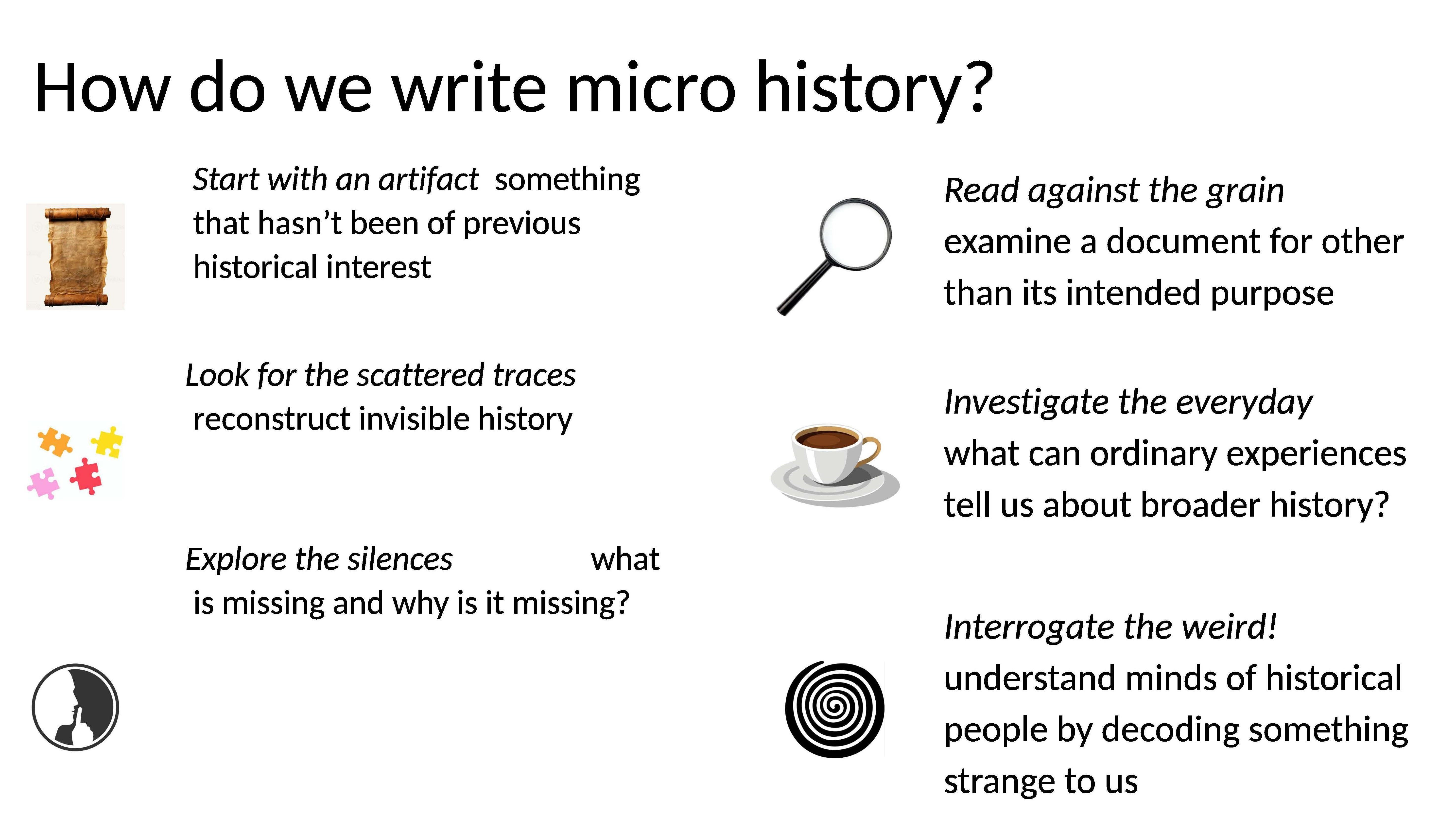
Chart courtesy of historian Lisa Maguire; Acadian bits and pieces
I came across the Journal of Anthony Casteel. It’s his testimony about his harrowing survival during an encounter with Mi’kmaq in 1753 and includes an episode with Jacques Vigneau, Marie’s uncle, in Baie Verte. (The Casteel journal and Uncle Jacques will be the the subject of another Substack. )
Reading such a contemporaneous witness account is riveting, whether or not the testimony is credible. Acadia pre-Expulsion is looking more and more war-torn, and less and less pastoral to me.
According to historian Geoffrey Plank’s essay (1), this was a then when people were developing national identities, especially Europeans. From the sounds of things, the British, especially, did not want to be confused with the French.
During this time period, Marie was coming of age, leaving the self of childhood for the one of adulthood. Whether she pondered it or not.
“In the 1750s, the peoples of Nova Scotia had not decided on a coherent scheme to govern the classification of peoples, but their uncertainties did not prevent them from placing labels on each other, and then punishing each other on the basis of the label. In part because of the uncertainty surrounding the issue of nationality, Nova Scotia became a very dangerous place.” (Plank (1), p.56)
That sounds eerily now.
Gathering thoughts, trying to see the patterns in the then and now, I set loose my internal wanderer, allowing images and memories to surface. Because, though technology and customs may differ, people are people who sort out their lives in not dissimilar ways. That’s why stories like Lysistrata, the Sermon on the Mount, and Macbeth remain relevant in the 21st century.
My wandering mind operates like a kindergartener’s version of Marilu Henner’s famous memory meets cousin George Comeaux’s long short-cut home. It flashes an image from a more recent then of the Acadian icon Antonine Maillet.
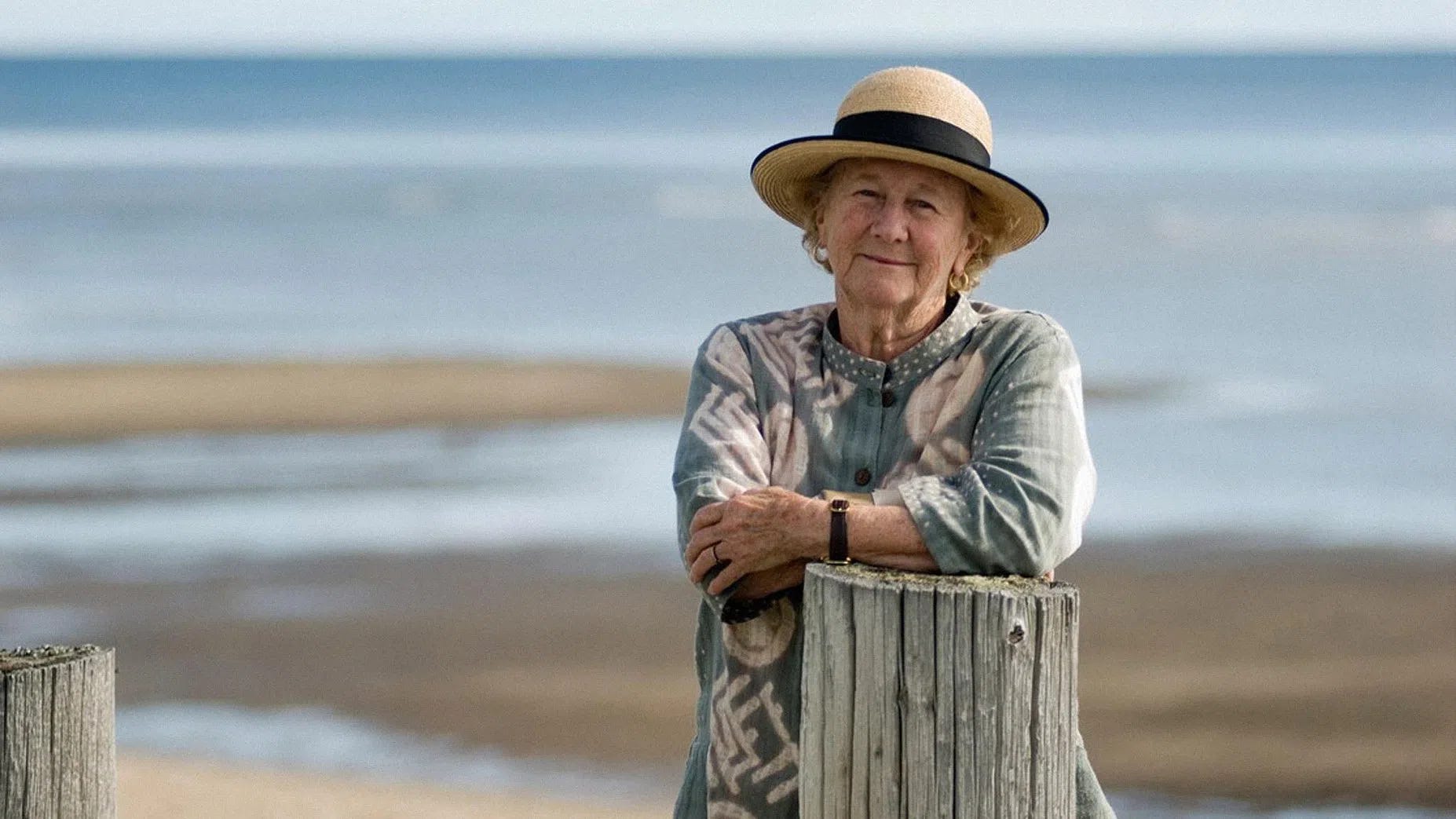
https://media-cdn.socastsrm.com/wordpress/wp-content/blogs.dir/3041/files/2025/02/antoine-maillet.jpg
How did I forget(!) her when I’d suggested some books to the Acadians Project? Stories were and are my “gateway drugs” to Acadians and Acadian history. How could I forget the pathos and humor of Pélagie la Charette/Pélagie: The Return to Acadie?
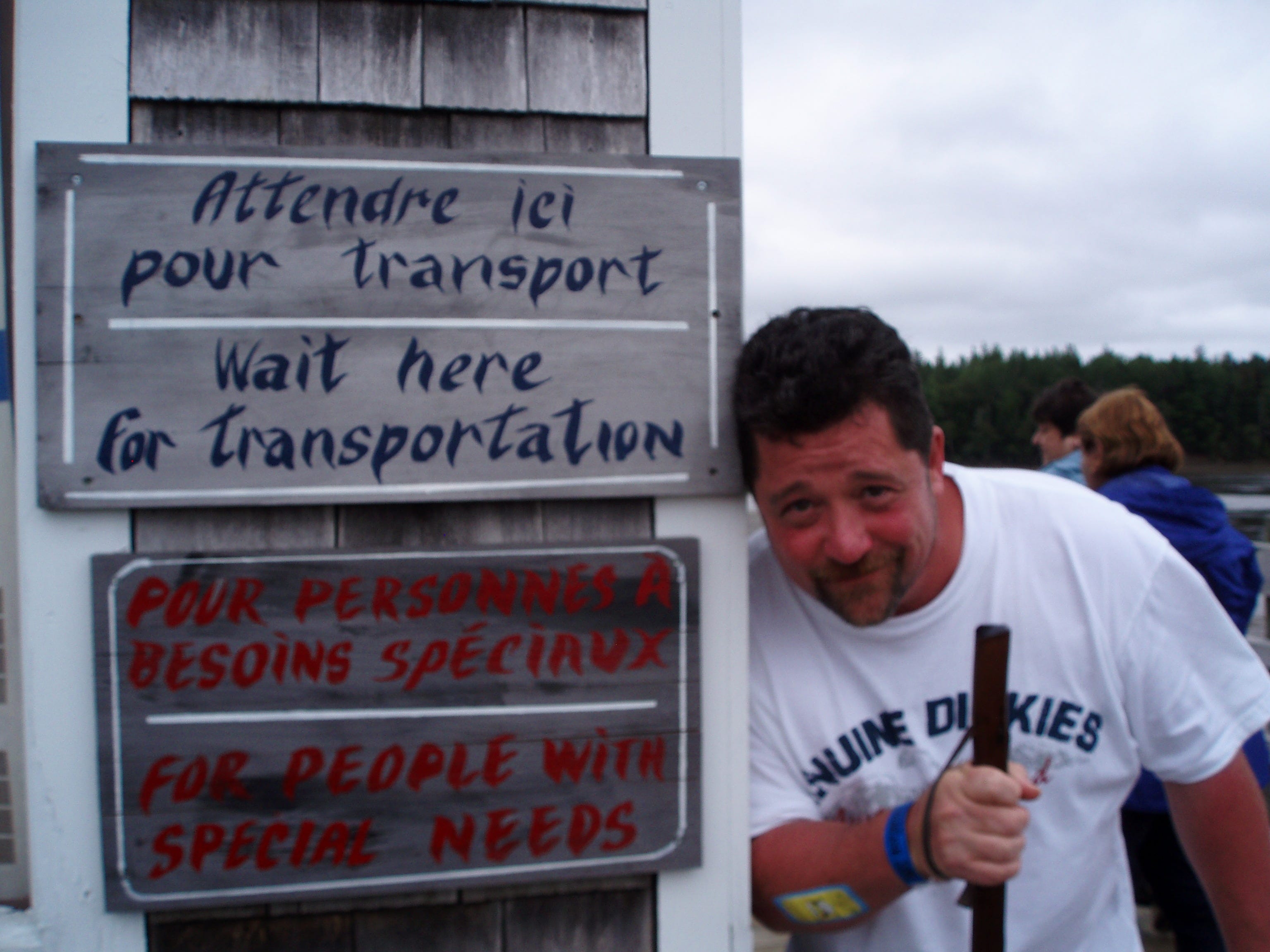
photo by Acadiann
The mind wanderer visits La Sagouine, another Maillet character, on the Île aux Puces (Flea Island) in Bouctouche, New Brunswick.
Epiphany flushes through me — people in that then were more than kind to the visitors from Massachusetts, me and my Tall-Guy brother Glenn. He’s 5’6’’. The clerk in the gift shop actually referred to him as the Tall Man, which tells you something about male Acadian height norms in Bouctouche.
We were there because Viola Léger performed, for the first time, La Sagouine in English. She was born in Fitchburg MA, a few towns east of where I live. That, by itself, intrigued. How did the girl from Fitchburg, Massachusetts become a Canadian star? That intrigue, and an instinctual voice that says “just do it,” sent us to her New Brunswick dinner-theatre.
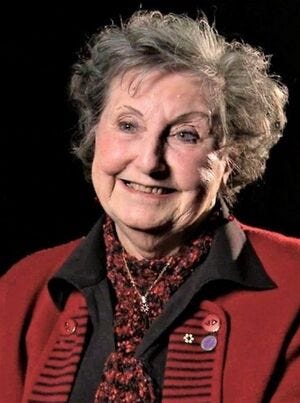
There we were, sitting in the middle seats of the center table in front of the stage where Ms. Léger performed. It’s hindsight now that shows me what a gift they gave us — the actual best seats in the house — to experience her performance.
Talk about “Welcome the Stranger” (Leviticus 19:34).
I wonder now if maybe Ms. Léger was a little tickled to have people from near her birthplace travel almost 600 miles to New Brunswick primarily to see her English performance. I also wonder why La Sagouine seemed so much like our mother.
I wish I could reach back in time to say thank you to her for imprinting La Sagouine in my mind, and to the people of La Sagouine village who’d welcomed us as if we were long-lost family. Speaking in English or French didn’t matter. The point was to be able to talk with each other, to enjoy the stories, to laugh.
photo by Acadiann
And then the wanderer mind drops further back in the then, thinking of little Marie, of the comings and goings that involved Massachusetts, and French, and English, and Mi’kmaq, and Wampanoag, and family, and growing up during escalations in hostility that would lead to uprooting her from Nova Scotia and send her to Georgia and Massachusetts, never to return to her birthplace.
Wondering whether the extended family members who were expulsed with her cushioned her against the terror of the unknown. Whether they could laugh together through the years. Because laughing and humor seem to be pretty strong traits among Acadians I know. Even among the cranky.
Wondering whether Marie ever felt welcomed by the strangers in the British colonies.
This is going to take close reading against the grain and exploring the silences.
Ricochet to the now. Wondering whether the little “Maries” and their brothers caught up in the pivotal conflicts of these times feel safe among strangers. Do these children still laugh?
Wondering what the collision of budding cultural identities did/do to growing minds.
Pivotal moments can tear you away or tear you up, both personally and politically. Pivotal moments can also embrace and welcome you. Then and now.
People are people who sort out their lives in not dissimilar ways.
Further reading
(1) Plank, Geoffrey. The Changing Country of Anthony Casteel
(2) Giniger, Henry. A Novel's Heroine Buoys the Spirits of Canada's Acadians
More personal notes
We had to bring gifts to Canada, Glenn said. For the people at La Sagouine and the people at Parks Canada. I brought goods from Massachusetts, though I don’t remember what, and he brought merch from the company he worked for, useful products (it was a cleaning company) covered with its logo.
We first visited the Parks Canada dig at Beaubassin, followed by a visit to the Fort. While I accumulated an armload of books and souvenirs from the gift shop, he chatted up the docents and staff. They traded logo-laden merch.
Even then I chuckled to think that this was probably not all that different from 1700s traders right in this same spot. Minus the logos. My Parks Canada pin sits on a colorful loosely woven waist-belt I converted to a memory-pin holder. Yes, it is a loose approximation of a voyageur sash.
At Bouctouche we stayed in a converted priest’s house. Near a cemetery. The echoes of generations of Catholicism in Acadie and our family reverberated through the building and the land.
What works here is the restraint. You stay with what’s knowable, name what isn’t, and don’t use polish to escape either. That discipline is doing real work.
This is a great story, Ann. And what a gift to visit an ancestral place that welcomes you with open arms. I know you and your funny brother had a wonderful visit and brought joy to those you encountered. What was the play about? Why was it in English?